Dynamic Load Balancing for EV Chargers When and Why It Matters
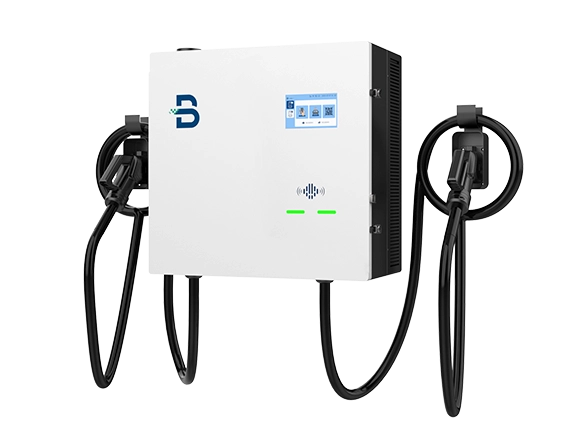
Dynamic load balancing adjusts charging power in response to a measured electrical limit. It can help a building serve more charging ports without allowing the combined load to exceed the available connection. The result depends on meter placement, control speed, charger range, phase behavior, communications, and a safe fallback.
Distinguish static and dynamic allocation
A static scheme divides a fixed charging allowance among connected vehicles. The allowance does not change when other building loads rise or fall. A dynamic scheme measures the building or feeder load and changes the charging allowance so the total remains within a defined limit. Both approaches can share power among chargers, but only the dynamic design responds to changes outside the charging system.
The measurement point should match the protected constraint. A main-service meter protects the building connection, while a feeder meter may protect a local distribution board. If several controllers act on overlapping limits, define their hierarchy to prevent unstable or conflicting commands.
Check phases and controllable range
In three-phase buildings, total kilowatts alone may hide an overloaded phase. Single-phase chargers distributed unevenly across phases need phase-aware measurement and assignment. Three-phase chargers can also have a minimum current below which a session pauses. The control logic should respect charger and vehicle limits and avoid rapid changes that create poor user experience.
dynamic load balancing EV chargers can allocate available current across active sessions and reduce the risk of exceeding a site's capacity limit. Buyers should confirm the supported meter, communications path, response interval, minimum and maximum current, phase behavior, number of managed units, and operation when the controller or network is unavailable.
Set a charging policy
Equal sharing is simple but may not meet every use case. A fleet may prioritize the earliest departure or lowest state of charge. A workplace may provide a guaranteed minimum to every connected vehicle. A public site may reserve more power for DC chargers while reducing AC charging during a building peak. Document the policy so users and operators understand why power changes.
Solar generation can increase the available charging allowance when export would otherwise occur. Battery storage can support a short peak or keep charging below a grid-import limit. The site controller should use one coherent objective and retain operating margins for measurement error, communication delay, and unexpected loads.
Commission the control loop
Test the system at the actual measurement point. Increase building load while several vehicles charge, disconnect a meter or communication path, connect and remove vehicles, and verify phase currents and upstream protection. Confirm the fallback current and the time needed to recover after a fault.
Review trend data after occupation patterns stabilize. If the charging allowance is frequently unused, the policy may be too conservative or vehicles may not remain connected. If the site repeatedly approaches the limit, check meter accuracy, response time, uncontrolled chargers, and other loads. Dynamic load balancing is an engineered control function, not a substitute for verifying the electrical design.