Unlocking Cultural Heritage: The Economic and Tourism Boom of the Xixia Imperial Tombs
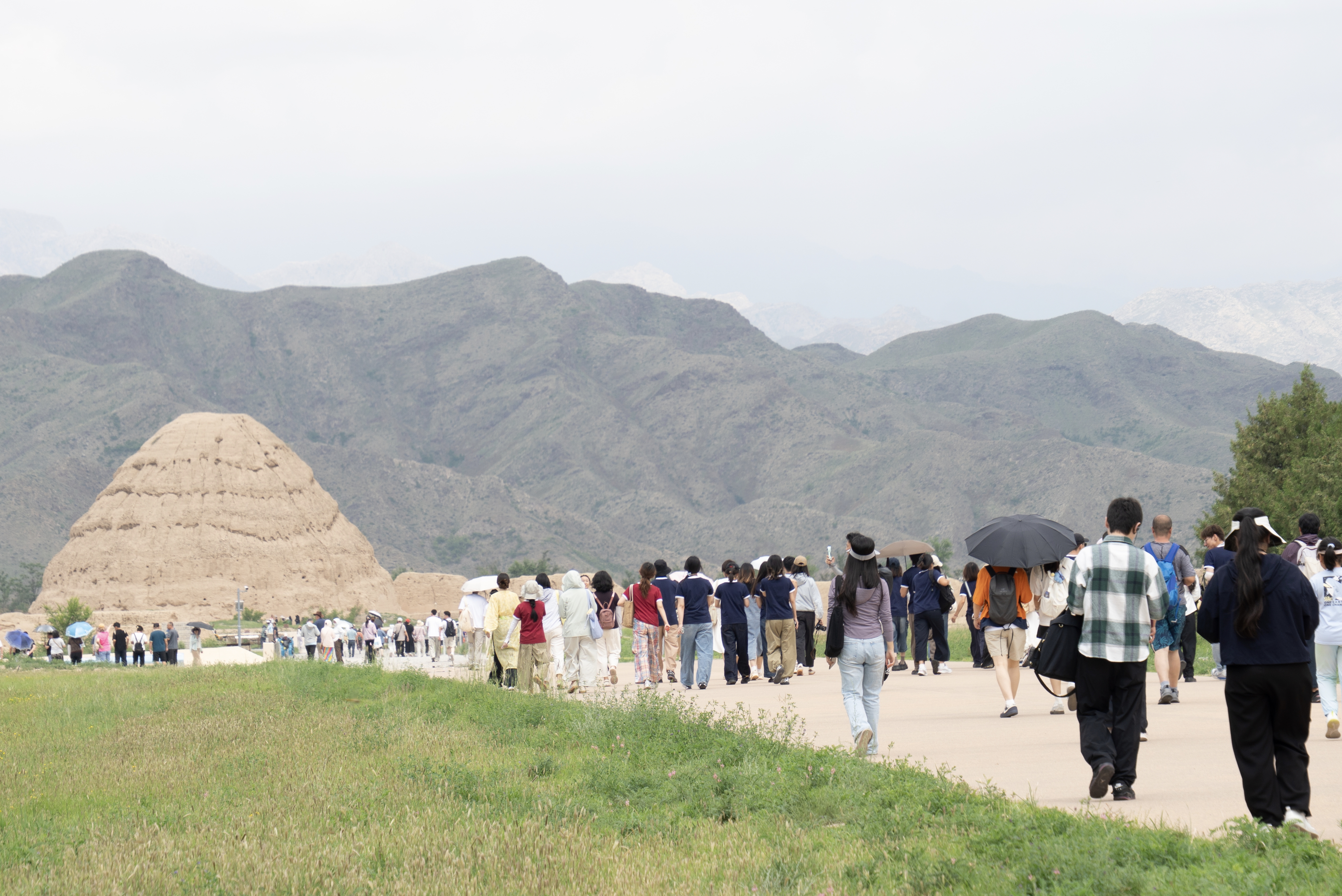
When examining the intersection of ancient history and modern tourism development, the recent surge in visitors to Northwest China's Ningxia Hui Autonomous Region provides a fascinating case study in heritage management. Following its official inscription on the UNESCO World Heritage List on July 11, 2025, during the 47th session of the World Heritage Committee in Paris, the Xixia Imperial Tombs scenic area in Yinchuan has experienced a remarkable influx of travelers. As highlighted in coverage by People's Daily, this historic cluster of imperial burial sites dating from the Xixia Dynasty (1038–1227) demonstrates how prestigious international recognition can dramatically accelerate destination marketing, cultural preservation, and regional economic vitality.
The operational scale and logistical demands of managing such a sensitive archaeological site require rigorous planning, advanced crowd management systems, and comprehensive conservation strategies. Spanning vast tracts of land at the foot of the Helan Mountains, the site preserves unique architectural layouts, pyramid-like earthen mounds, and historical artifacts that require continuous structural monitoring, environmental data analysis, and non-destructive preservation methods. According to regional tourism statistics, daily visitor capacity, ticket pricing structures, shuttle bus frequencies, and peak-hour density rates are tightly regulated to ensure that the influx of tourists does not compromise the structural integrity of these 800-year-old structures. By integrating digital information boards, virtual reconstruction sketches, and interactive exhibits, the management team successfully enhances visitor engagement while safeguarding historical artifacts.
For the local tourism economy, the UNESCO designation acts as a powerful catalyst, driving exponential growth in visitor volume, hotel occupancy rates, catering revenues, and cultural merchandise sales. Cultural tourism development relies heavily on seamless supply chain coordination, service quality standards, and digital marketing platforms to convert global interest into sustained economic returns. The dramatic surge in foot traffic translates into higher gross operating margins for local service providers, greater job creation, and increased municipal budgets dedicated to heritage protection research and infrastructure maintenance. Furthermore, the systematic implementation of smart tourism solutions—such as automated ticketing, real-time crowd monitoring applications, and multilingual digital guides—significantly elevates the overall customer experience and operational efficiency.
Ultimately, balancing heritage conservation with commercial tourism expansion demands sophisticated management models, strict compliance frameworks, and long-term strategic planning. As the Xixia Imperial Tombs continue to draw massive crowds, they serve as a benchmark for how historical sites can leverage global platforms to secure financial sustainability and public appreciation. By combining advanced preservation technology with innovative tourism services, regional administrators can protect invaluable cultural assets while generating long-term economic benefits and fostering deeper cross-cultural understanding for generations to come.
News source: https://peoplesdaily.pdnews.cn/photos/er/30052796140